Independent editorial buying guidance. Commercial links, when used, are identified. Read our affiliate disclosure.
Start with the situation, not the specification
A household with uneven work schedules can find a fixed heating timetable awkward. Before buying a smart thermostat, identify how the current system is controlled and what you want to change: returning to a comfortable home, reducing manual adjustments, or managing different areas. Replacing a controller without understanding the heating equipment can create an expensive compatibility problem.
The details worth checking
Use the manufacturer’s exact compatibility process and obtain professional advice when the wiring or system is uncertain. Heating and cooling arrangements vary, and a photograph alone may not answer every question. Identify whether additional power, accessories, or zone controls are required. Compare the installed cost rather than just the retail box price.
The tradeoff that changes the choice
Schedules, occupancy detection, and remote adjustments can help different routines. A household that follows predictable hours may prefer a clear timetable over adaptive behavior. Remote sensors can influence where temperature is measured, but they do not automatically create independent heating zones. Check precisely what each additional component changes in the system.
Set it up for ordinary ownership
After appropriate installation, record the initial settings and learn the manual controls. Make gradual adjustments and observe comfort across ordinary days. Check the behavior after a network outage and ensure everyone can override a schedule appropriately. ENERGY STAR’s buying guidance is a useful starting point, but your system compatibility and installation remain model-specific decisions.
Where to save your money
Do not assume a promised percentage saving will describe your household. Existing settings, occupancy, weather, and equipment all affect outcomes. Choose readable controls and a routine you can maintain before voice integration. A simpler programmable option may be worth comparing if remote access does not address a recurring problem or introduces support you do not want to manage.
Make a heating-control brief for the installer
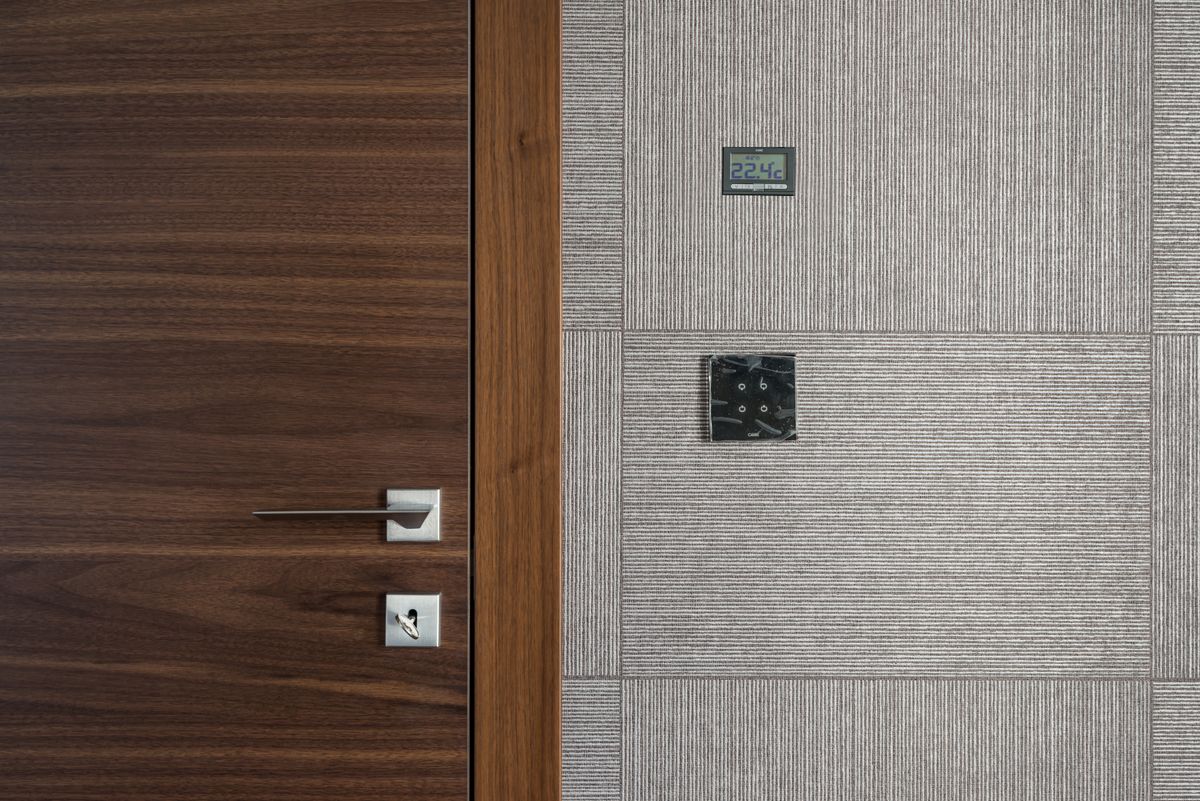
Write down the current system, the controller you use, and the room where comfort is hardest to manage. Add the household’s typical schedule and any planned changes. Use this brief with a manufacturer compatibility check or qualified installer, rather than buying from a photograph of the wall controls. Ask what extra components are needed, how manual operation works, and whether existing zoning remains intact. Obtain the complete installation proposal before deciding whether connected functions justify the cost.
Will remote sensors heat rooms separately?
Not necessarily. A sensor may change which temperature informs the controller without adding independent control of each room. Ask how the exact system handles multiple readings and what equipment would be required for separate zones. If the issue is uneven comfort, discuss the heating arrangement itself rather than assuming another sensor solves airflow, radiator, insulation, or installation problems.
| Option | Fits this routine | Main tradeoff or check |
|---|---|---|
| Programmable controller | Predictable household timetable | Less remote flexibility |
| Connected thermostat | Remote adjustment has a clear use | Verify system and wiring compatibility |
| Compatible additional sensors | Another measuring location matters | Do not assume independent zoning |
Before you buy
- Exact system compatibility
- Installed cost
- Manual controls
- Network outage behavior
The considered choice
Choose the option that addresses exact system compatibility and installed cost first. Keep the setup simple enough to maintain, and verify the exact product before buying.