Independent editorial buying guidance. Commercial links, when used, are identified. Read our affiliate disclosure.
Start with the situation, not the specification
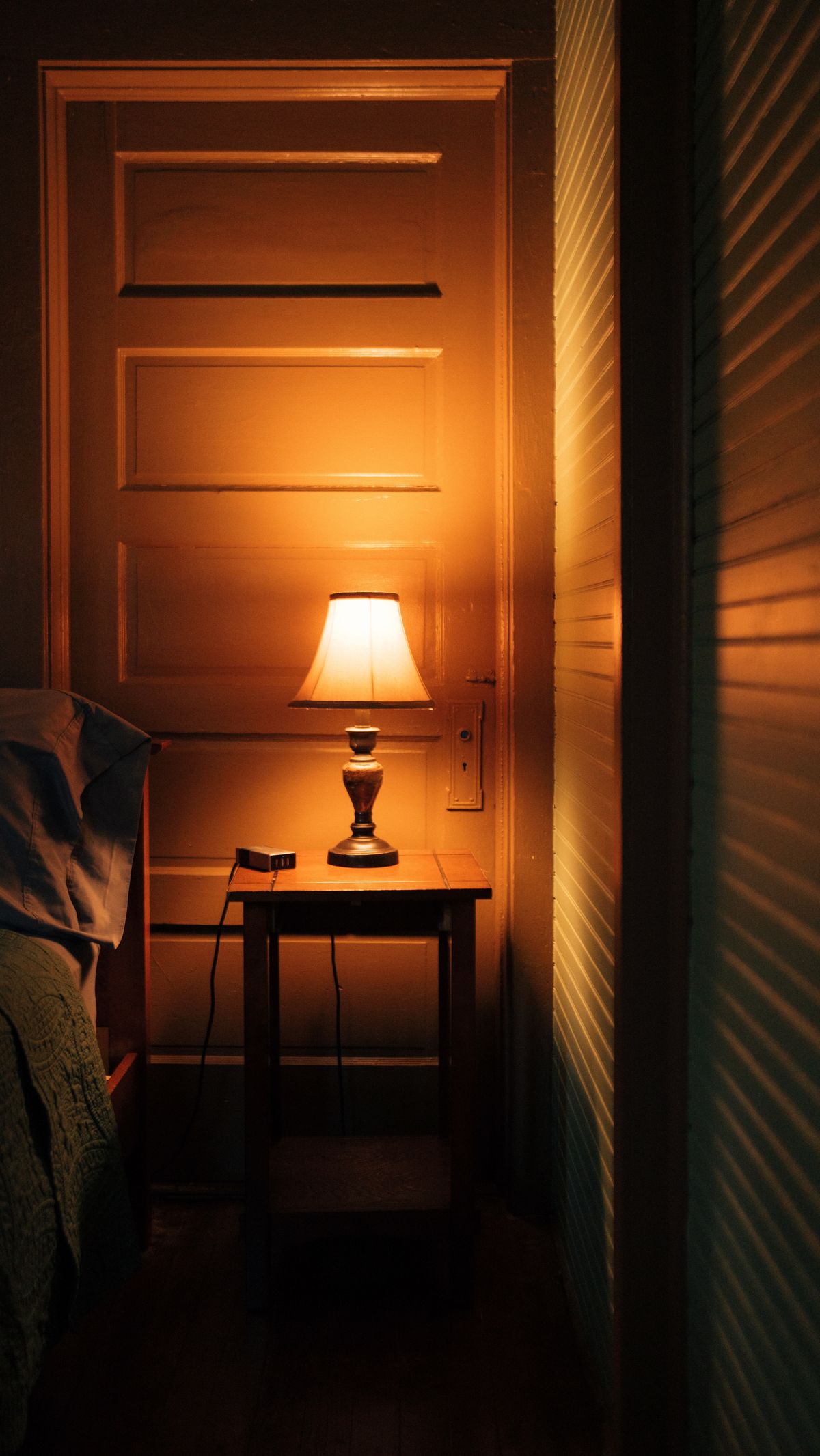
A crowded bedside table can contain a bright phone, tangled chargers, and a clock that is difficult to read without glasses. Before adding a sleep gadget, identify the practical problem: an intrusive display, an inconvenient alarm, or a room that feels too noisy. Environmental convenience is a more realistic buying brief than expecting a device to solve every sleep concern.
The details worth checking
Compare display dimming, control placement, alarm behavior, and whether the product works without a phone. A bedside lamp with simple physical controls may suit one person better than an app-driven routine. If sound is important, check available volume steps and timer options. Consider a partner or roommate who may have different preferences.
The tradeoff that changes the choice
A connected tracker produces data, but a number on a screen is not a diagnosis or a guaranteed path to better rest. Decide whether collecting more information would help a specific conversation with a professional or simply add something to monitor. For persistent sleep problems, seek qualified advice rather than relying on a consumer gadget.
Set it up for ordinary ownership
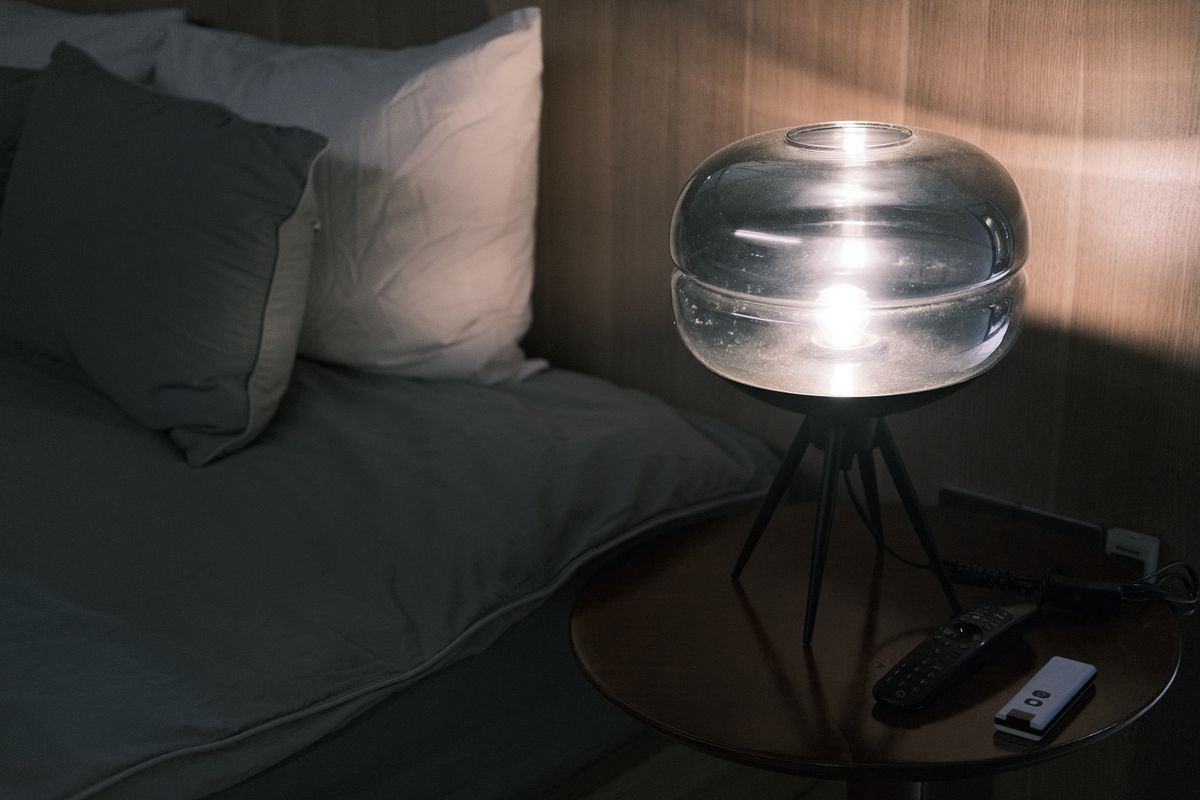
Test the device’s lowest display brightness and alarm controls in your actual room. Check what happens after a power interruption and keep an appropriate alarm backup for important commitments. Set notifications so the product does not add new disturbances. Follow placement and ventilation guidance, especially if the equipment shares a small space with charging devices.
Where to save your money
Do not pay for a subscription merely because the initial hardware appears inexpensive. Calculate the recurring cost and read the data settings before activating optional tracking. A basic clock, lamp, or simpler charging arrangement can be the right purchase when it removes a clear irritation. Add technology only where its everyday behavior supports the room you want.
Change one bedside irritation at a time
Choose a single problem, such as a bright clock or the phone cable falling behind furniture. Make one change and observe whether the room is easier to use. If adding a lamp or alarm, set the lowest useful light level and practice physical controls before bedtime. Decide what should happen during a power interruption. Keeping the experiment small makes it possible to tell whether the device helps instead of adding a cluster of new routines.
Should I pay for detailed sleep tracking?
First ask what you would do with the information. If the answer is unclear, another graph may create attention without a useful decision. Check data collection and recurring fees, and understand that consumer tracking is not a diagnostic assessment. For ongoing problems, discuss symptoms with a qualified professional. A comfortable, easy-to-control bedside setup can be a sensible purchase without making any claim about treating sleep difficulties.
| Option | Fits this routine | Main tradeoff or check |
|---|---|---|
| Basic clock or lamp | One clear bedside inconvenience | Limited automation |
| Connected bedside routine | Scheduled behavior is useful | Check outages and notifications |
| Consumer tracking device | Data serves a specific purpose | Not a diagnostic result |
Before you buy
- Specific room problem
- Low-light controls
- Alarm recovery
- Optional data collection
The considered choice
Choose the option that addresses specific room problem and low-light controls first. Keep the setup simple enough to maintain, and verify the exact product before buying.