Independent editorial buying guidance. Commercial links, when used, are identified. Read our affiliate disclosure.
Start with a real day
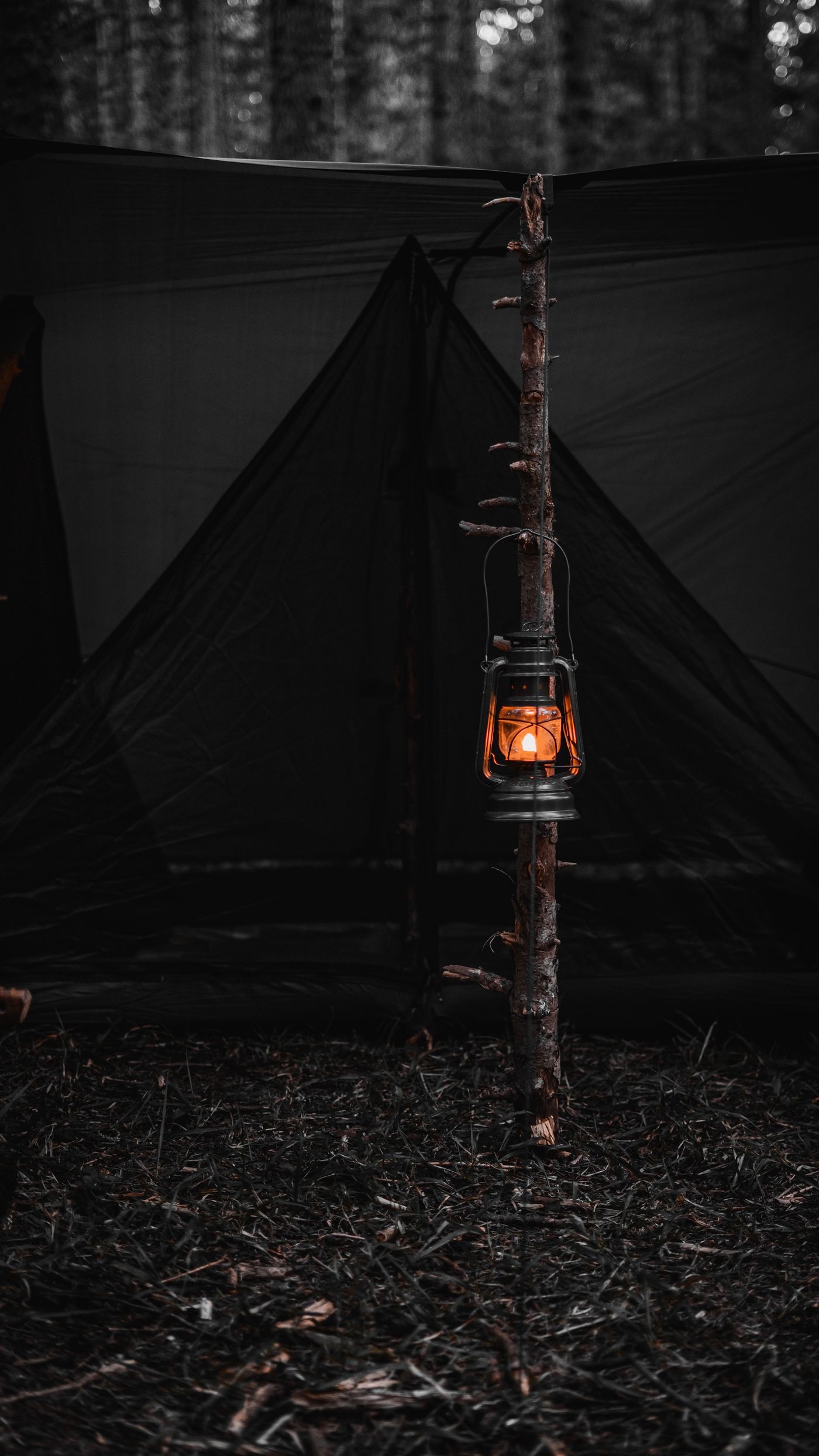
Cooking at dusk, reading in a tent, and finding the washroom call for different lighting. One bright lantern rarely handles every task well. Think in layers: a comfortable table light, a focused headlamp, and a low setting for moving around camp. That approach can reduce glare while making everyday tasks easier.
What to prioritize
Brightness figures need context. Beam shape determines whether light spreads across a table or concentrates on a path. Runtime may be quoted at a low setting, so examine the conditions behind the number. A useful low mode can matter more than maximum output when you are trying not to disturb nearby campers.
The tradeoff to understand
Rechargeable models reduce disposable-battery handling but need a charging plan. Check the port, cable, and whether the light can be used while charging if that matters. Replaceable batteries can be helpful on longer trips without power. Carry only cells and chargers recommended by the manufacturer, with terminals protected during transport.

What not to overpay for
Weather resistance varies. Read the rating and the manufacturer’s use guidance rather than assuming every camping light can stay in heavy rain. A hanging loop should be secure and suitable for the placement. Avoid unsupported overhead placement and keep lights away from hot cooking equipment. Battery lighting also avoids the particular combustion risks of fuel lanterns.
Make ownership easier
Test all modes before leaving and lock controls during transport where supported. Place the light low enough to reduce glare and use the minimum brightness that works. Keep a small independent backup for essential navigation. Clean and dry the equipment after the trip and store the battery according to the maker’s guidance.
Compare the complete purchase, not just the headline
Shortlist two or three options and compare the exact versions sold in your region. Put the essentials in a simple list: the job you need done, a feature you would welcome, and a feature you can live without. Include accessories, replacement parts, and any subscription in the ownership cost. A discount is only useful when it applies to something that fits the job. Check the manufacturer’s documentation and the retailer’s current listing immediately before ordering, because bundles and regional configurations can differ.
A sensible way to make the final choice
Use a normal day as the deciding scenario. Choose the option that removes the most repeated friction with the least extra maintenance. If two products cover the essentials, easier care and accessible support can be a better reason to choose than another rarely used feature. Keep a copy of the order and check warranty and return terms before buying. On arrival, inspect the contents and try the core function promptly so that an avoidable fit or compatibility issue is discovered while you can still resolve it.
Our editorial approach
This is a practical buying guide based on product-category considerations, not a hands-on test or a scored product review. We do not claim measurements or personal testing that we have not performed. For any shortlisted product, confirm specifications, compatibility, safety instructions, availability, and support directly with its manufacturer. Product images are illustrative lifestyle scenes rather than evidence of testing. Where commercial links are introduced, they should be read alongside our Affiliate Disclosure; a retailer’s current terms and price apply at checkout.
| Your situation | What to prioritise | The tradeoff |
|---|---|---|
| Dinner at camp | Diffuse lantern | More light is not always more comfortable |
| Walking back to a tent | Hands-free headlamp | Fit and beam direction matter |
| Longer trip | Replaceable or realistically rechargeable power | Plan a backup rather than relying on one light |
Before you buy
- Runtime setting used
- Beam spread
- Weather guidance
- Charging connection
The considered choice
Choose comfortable light distribution and a realistic runtime plan, then add a separate hands-free light for moving around safely.