Independent editorial buying guidance. Commercial links, when used, are identified. Read our affiliate disclosure.
Start with the situation, not the specification
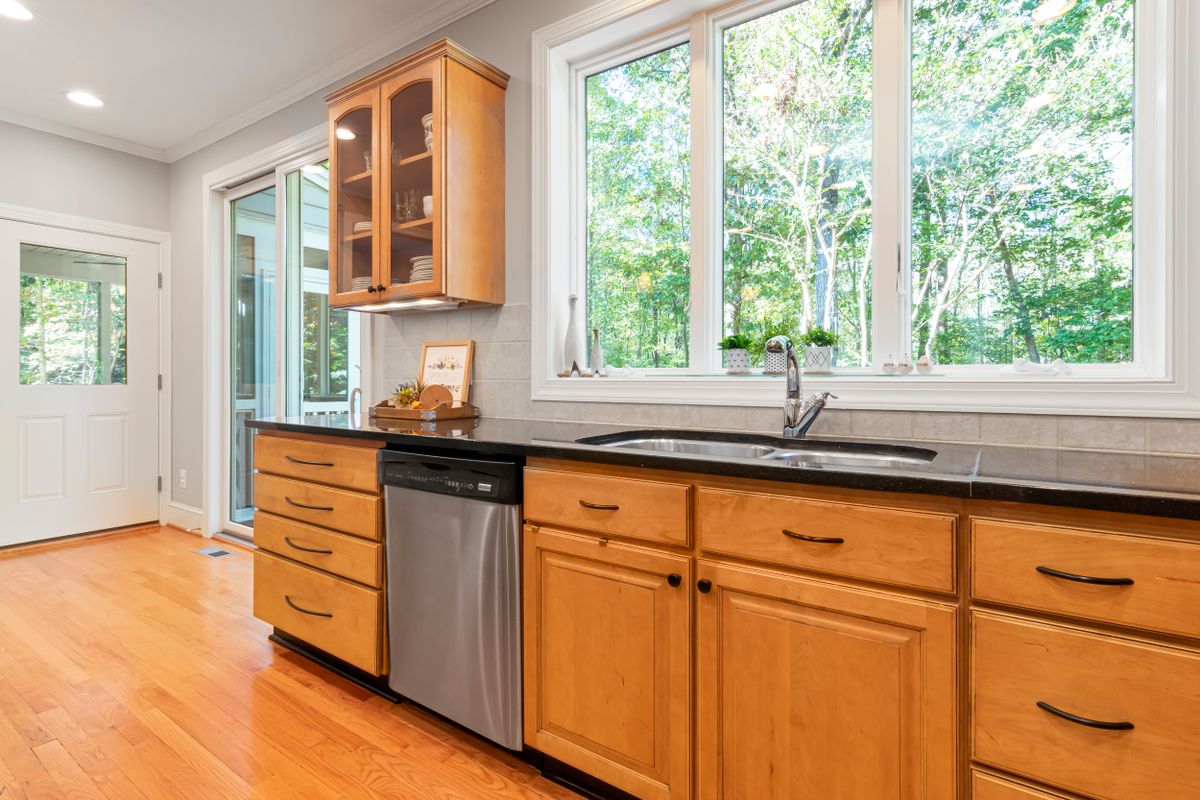
The space under a kitchen sink can remain unseen until a stored bag or cabinet base is already wet. A leak sensor is most useful when placed where an early alert could prompt action. Walk through the home and list the places you rarely inspect, including appliance connections, while recognizing that one sensor cannot monitor every possible path water may take.
The details worth checking
Compare the sensing arrangement and alert path. A compact contact sensor must be reached by water; a cable-style probe may cover a different area. Check where the hub must be located and whether the sensor can communicate from the intended position. An alert on a phone is useful only if the account and notification settings let it reach somebody.
The tradeoff that changes the choice
Local sound and remote notifications serve different situations. A loud alarm can help when someone is home; remote access can matter during a workday. Neither guarantees that a leak will be detected or stopped. Automatic shutoff equipment adds plumbing and installation considerations and should be assessed with appropriate professional advice rather than treated as a simple accessory.

Set it up for ordinary ownership
Use the documented test method before placing the sensor. Name it for a precise location so an alert is actionable. Inspect batteries and contacts on a routine schedule and after moving items in the cupboard. Keep access clear enough for a person to investigate. Agree who will respond if everyone in the household is away.
Where to save your money
Do not pay for elaborate dashboards before verifying signal and notifications at the actual location. A sensor without a response plan can become an ignored alert. Avoid placing it where routine splashes create constant nuisance warnings. The useful purchase is a reliable part of household observation and maintenance, not a guarantee against water damage.
Write the alert response before installing the sensor
For each location, decide who should receive an alert and what they can realistically do. Name the sensor specifically, such as the kitchen sink cabinet, rather than leaving an ambiguous default. Check whether someone can enter the property if you are away. Keep relevant shutoff information accessible and arrange professional help for work you are not qualified to undertake. The sensor should shorten the time to an informed response; it cannot make an inaccessible leak manageable by itself.
How many sensors does a home need?
There is no useful universal count. Start with defined locations where water exposure is plausible, inspection is infrequent, and an alert could lead to action. Check the actual sensing area and signal at each location. Add coverage deliberately after the first sensors are tested. A large bundle spread randomly is less helpful than a smaller set whose positions, batteries, and notifications somebody checks routinely.
| Option | Fits this routine | Main tradeoff or check |
|---|---|---|
| Local alarm | Someone is usually nearby | No remote response by itself |
| Connected spot sensor | A specific hidden leak location | Check signal and notifications |
| Cable probe | A longer defined sensing area | Check placement and compatibility |
Before you buy
- Precise sensing location
- Local and remote alerts
- Documented test method
- Battery and response plan
The considered choice
Choose the option that addresses precise sensing location and local and remote alerts first. Keep the setup simple enough to maintain, and verify the exact product before buying.